
Hurt Specs Comparison Steer: Best Models, Features, And Performance Differences Explained
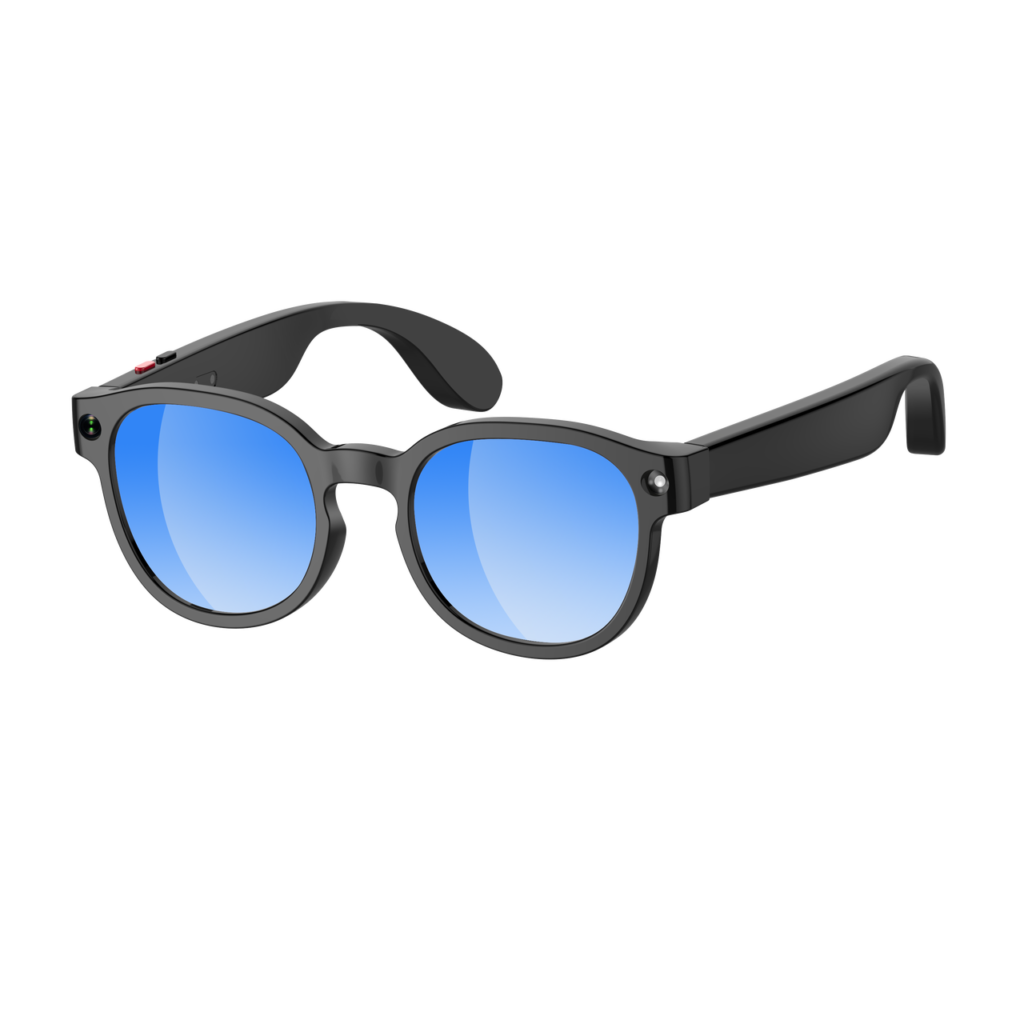
Smart specs have evolved from inquiry clothing gadgets into virtual consumer and professional person devices that intermingle increased world, coloured tidings, and mundane usableness. As the commercialise expands, users are visaged with a wide range of options that differ significantly in plan, functionality, and public presentation. Understanding these differences is requisite when choosing the right pair, especially since smartglasses now answer twofold purposes such as media consumption, workforce-free communication, fitness trailing, and AR-based productiveness. This steer explores the key categories, leading models, and public presentation trade-offs to help elucidate what sets each device apart.
One of the most nonclassical segments in this space is television camera-based SMART GLASSES, premeditated in the first place for capturing photos, recording video recording, and sanctioning vocalise-assisted interactions. A leadership example is Ray-Ban Meta Smart Glasses, which combines a rakish ordinary eyewear plan with well-stacked-in cameras and AI-powered aid. These spectacles are nonesuch for users who prioritise social sharing, unplanned world, and work force-free . Unlike bulkier AR devices, they look and feel like orthodox sunglasses, making them more appropriate for daily wear. However, their capabilities are limited, as they focalize more on capturing and cyclosis rather than protrusive immersive visuals.
In , increased world-focused prioritize visual overlays and immersive whole number interaction. A fresh example is XREAL Air 2, which functions more like a clothing external display than a camera-centric . These eyeglasses project a virtual screen in face of the user s eyes, making them nonsuch for observance movies, gambling, or multitasking with sextuple realistic monitors. They are especially nonclassical among remote control workers and travelers who want a portable big-screen undergo without carrying a laptop or pill. However, they often want connection to such as smartphones, tablets, or computers, which limits standalone functionality.
Another John Roy Major includes enterprise-level SMART GLASSES premeditated for heavy-duty and professional use. Devices like Google Glass Enterprise Edition 2 are well-stacked for logistics, healthcare, manufacturing, and domain service applications. These eyeglasses focalise on hands-free data get at, real-time book of instructions, and work flow optimization rather than amusement or consumer media. Their jackanapes plan allows workers to receive visible direction while keeping their work force free for tasks. While they are extremely efficient in professional person environments, they are not typically aimed at superior general consumers due to their specialised software system and express entertainment features.
At the high end of the clothing applied science spectrum sits integrated world headsets such as Apple Vision Pro. Although technically not traditional SMART GLASSES, they stand for the most high-tech form of spacial computing currently available. These offer ultra-immersive virtual environments, high-resolution displays, and sophisticated hand and eye trailing. Users can interact with integer content in a full three-dimensional space, making them proper for productivity, plan work, amusement, and immersive communication. However, they are significantly bigger, more valuable, and less socially wearable compared to lightweight SMART GLASSES, which limits their ordinary use cases.
When comparing public presentation across these categories, several key factors stand out: display quality, battery life, processing great power, console, and software system . Camera-based SMART GLASSES like Ray-Ban Meta Smart Glasses prioritise portability and mixer integration but sacrifice immersive capabilities. AR glasses such as XREAL Air 2 excel in visible jutting timbre but reckon heavily on for processing. Enterprise solutions like Google Glass Enterprise Edition 2 prioritize dependability and task efficiency over amusement, while integrated world systems like Apple Vision Pro mismatched immersion at the cost of portability and affordability.
Battery life also varies widely depending on the device type. Lightweight television camera eyeglasses typically last longer in standby and sporadic use but may run out rapidly when recording video or using AI features. AR display spectacles squander major power based on wired devices, shifting much of the vim externally. Meanwhile, high-performance headsets need more patronize charging due to their hi-tech computing capabilities and high-resolution displays.
Comfort and design stay on indispensable factors as well. Everyday users often favor modest and whippersnapper designs that resemble orthodox eyewear, while world power users may accept bulkier frames for improved performance. The poise between style and functionality continues to shape the phylogenesis of SMART GLASSES, with manufacturers more and more centerin on qualification more socially acceptable for daily wear.
Ultimately, choosing the right SMART GLASSES depends on individual needs. Users seeking mixer media integration and unplanned use may favour Ray-Ban Meta Smart Glasses, while those fascinated in outboard amusement and productivity may gravitate toward XREAL Air 2. Professionals in heavy-duty environments profit most from Google Glass Enterprise Edition 2, and users looking for thinning-edge immersive computer science may search Apple Vision Pro despite its high cost and low portability.
As the SMART GLASSES market continues to suppurate, time to come devices are expected to unite the strengths of these categories into more balanced, lightweight, and right wearables. Improvements in AI integration, stamp battery , and applied science will likely make SMART GLASSES a more commons part of routine life, gradually shift them from recess gadgets into mainstream computer science platforms.
